
Exploring the Traditions of the Chinese Dragon Boat Festival
Mi
Introduction to the Dragon Boat Festival
The Dragon Boat Festival, also known as Duanwu Festival, is celebrated on the fifth day of the fifth month of the Chinese lunar calendar. This vibrant festival is rich in history and tradition, offering a unique glimpse into Chinese culture. It's a time when communities come together to honor ancient customs, enjoy delicious food, and participate in thrilling boat races.
The Legend Behind the Festival
The origins of the Dragon Boat Festival are deeply rooted in the legend of Qu Yuan, a patriotic poet and minister who lived during the Warring States period. After being falsely accused of treason, Qu Yuan drowned himself in the Miluo River. The local people raced out in their boats to save him or, at the very least, recover his body. They threw rice dumplings into the river to prevent fish from eating his body, which is why rice dumplings, known as zongzi, are a staple of the festival.
Traditional Dragon Boat Races
One of the most exciting aspects of the Dragon Boat Festival is the dragon boat races. These races are held across China and in many parts of the world with Chinese communities. Teams paddle in long, narrow boats adorned with dragon heads and tails, competing fiercely to reach the finish line first. The rhythmic beating of drums and the synchronized rowing create an exhilarating spectacle that draws large crowds.
Culinary Delights of the Festival
Food plays a significant role in the Dragon Boat Festival, with zongzi being the most iconic dish. These sticky rice dumplings are wrapped in bamboo or reed leaves and filled with various ingredients such as pork, beans, and dates. Each region has its own variation, offering a diverse culinary experience. Families often come together to prepare and enjoy these treats, adding to the festival's communal atmosphere.
Cultural Significance and Customs
Beyond the races and food, the Dragon Boat Festival is rich in cultural significance. It is a time for people to pay homage to their ancestors and protect against evil spirits and disease. Traditional customs include hanging calamus and mugwort on doors to ward off evil, as well as drinking realgar wine, believed to prevent illness. These practices highlight the festival's connection to health and well-being.
Global Celebrations
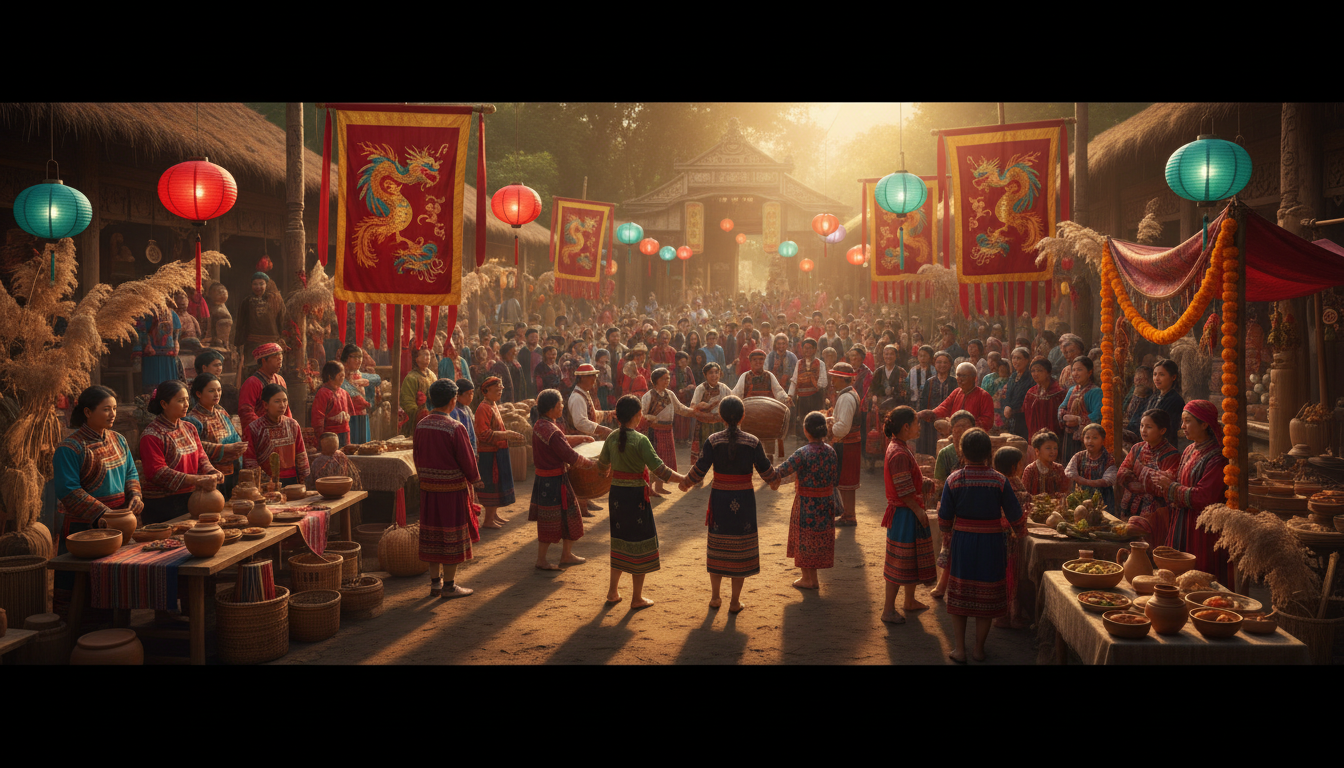
While the Dragon Boat Festival is inherently Chinese, its appeal has spread globally. Many countries now hold their own versions of dragon boat races, celebrating the festival's themes of unity and teamwork. These international events help promote cultural exchange and bring people from various backgrounds together, fostering a greater appreciation for Chinese traditions and heritage.
Conclusion: A Celebration of Culture and Community
The Dragon Boat Festival is a vivid tapestry of history, legend, and tradition. It serves as a reminder of the importance of community, cultural heritage, and the enduring legacy of ancient customs. Whether you're watching a thrilling race, savoring a delicious zongzi, or participating in traditional customs, the festival offers something for everyone to enjoy.
As the rhythms of the drums echo across the water and the dragon boats slice through the waves, the Dragon Boat Festival continues to captivate and inspire, connecting people to a rich cultural past and a vibrant present.